Meta Description:
Discover expert tips for growing and caring for Beech trees, from soil and watering to seasonal care and troubleshooting common issues.
Introduction Hook
Beech trees (genus Fagus) are a symbol of elegance and longevity in gardens and landscapes worldwide. Their smooth, gray bark, lush foliage, and striking autumn colors make them a favorite for homeowners, landscapers, and bonsai enthusiasts alike. But despite their beauty, many gardeners struggle to cultivate Beech successfully, especially in regions with varying climates.
If you’ve ever wondered how to grow a Beech that thrives year after year, you’re in the right place.
Step-by-Step Care Guide
Light Requirements
Beech trees prefer full sun in summer as long as they never dry out. While they can tolerate some shade, insufficient light may lead to sparse foliage and weak growth. For best results, plant Beech in a spot that receives at least 4–6 hours of direct sunlight daily.
Watering
Young Beech trees require consistent moisture, particularly during the first 3–5 years. Once established, they are moderately drought-tolerant but still appreciate deep watering during dry spells. Avoid waterlogging, as it can cause root rot.
Soil
Beech trees thrive in well-draining, fertile soil with a slightly acidic to neutral pH (6.0–7.0). Loamy soil enriched with organic matter is ideal. Avoid compacted clay soils, which can suffocate roots.
Temperature & Humidity
Beech trees are hardy in USDA zones 4–9, with some varieties tolerating colder climates. They prefer moderate humidity and can struggle in extremely dry or hot conditions.
Fertilizing
Apply a balanced slow-release fertilizer in early spring. Young trees benefit from organic compost, while mature trees rarely need additional fertilization unless soil is poor.
Beech bonsai needs Repot every third or fourth year, during early spring. Repotting with compost consisting equal parts of loam and sand prevent from becoming waterlogged.
Pruning & Maintenance
Prune Beech trees in late winter or early spring to remove dead, diseased, or crossing branches. Avoid heavy pruning, as Beech responds slowly and may develop unsightly scars.
Beech bonsai can be pruned at any time during the growing season. Pinch out the growing tips of new shoots as soon as two leaves have formed.
Scientific Insight
Beech trees develop shallow, fibrous root systems, which explains their preference for moist, well-draining soil. Their smooth bark is sensitive to damage and environmental stress, so careful mulching and protection from mechanical injury are essential. The tree’s slow growth is a natural adaptation to conserve energy and ensure longevity.
Seasonal Care Guide
- Spring: Mulch around the base to retain moisture, prune lightly, and fertilize if needed.
- Summer: Monitor watering, especially in heatwaves; provide shade for young saplings.
- Autumn: Collect fallen leaves for composting; check for fungal growth caused by damp conditions.
- Winter: Protect the base with mulch to insulate roots and prevent frost damage.
Climate Adaptation Tips: In warmer climates, plant in areas with afternoon shade to prevent leaf scorch. In colder regions, choose cold-hardy varieties like European Beech (Fagus sylvatica).
Common Mistakes to Avoid
- Overwatering: Leads to root rot. Use deep, infrequent watering.
- Planting in poor soil: Beech trees struggle in compacted or infertile soils.
- Heavy pruning: Can slow growth and scar bark.
- Ignoring young tree care: Lack of mulching and watering can stunt early growth.
Troubleshooting Guide
- Yellow leaves: Usually due to overwatering, poor drainage, or nutrient deficiency. Correct by adjusting watering and fertilizing.
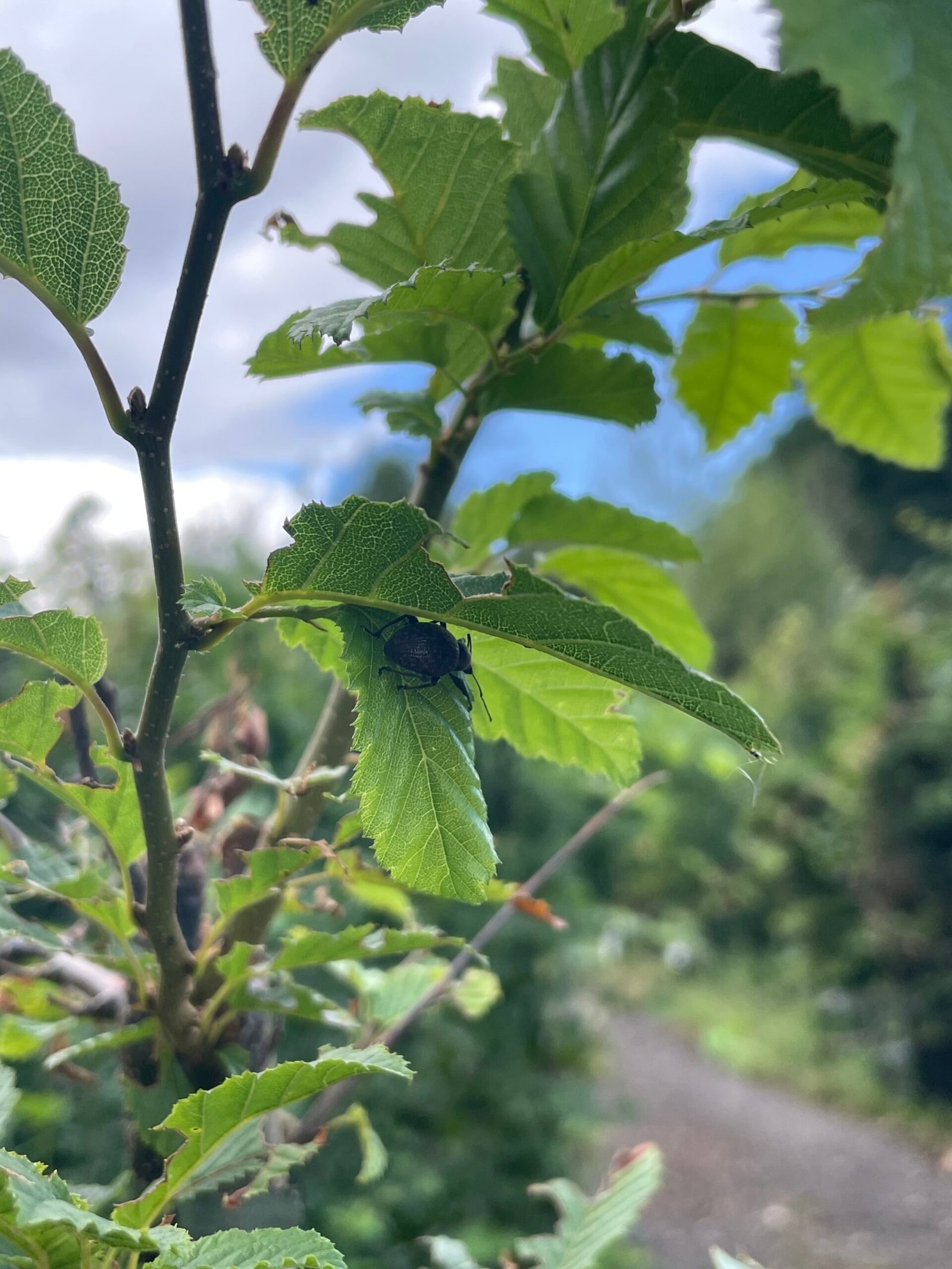
- Pests: Beech leaf-miner and aphids can attack. Remove affected leaves and consider horticultural oils. Systemic insecticides can be used as a treatment.
- Root rot: Caused by waterlogged soil. Improve drainage and reduce watering frequency.
- Die-back: Twigs and branches are also susceptible to die-back. Provide adequate light, cut back to healthy tissue.
- Slow growth: Often from insufficient light, poor soil, or heavy pruning. Ensure optimal conditions and patience.
Pro Horticulturist Secrets
- Layered Mulching: Combine bark, compost, and leaf litter to mimic forest floor conditions.
- Winter Protection: Wrap the base of young Beech with breathable burlap to prevent frost heaving.
- Bonsai Techniques: Beech responds well to air-layering and selective pruning, making it ideal for bonsai enthusiasts. Apply high nitrogen fertilizer in spring.
- Natural Fertilization: Fallen Beech leaves act as a slow-release nutrient source, so leave a thin layer around the base.
FAQs
1. How fast do Beech trees grow?
Beech trees grow slowly, averaging 12–24 inches per year, reaching maturity in 40–60 years.
2. Can Beech trees tolerate shade?
Yes, but they prefer partial to full sun for optimal foliage density and autumn color.
3. How do I propagate Beech trees?
Beech can be grown from seeds (nuts), grafting, or air-layering. Seeds require cold stratification to germinate.
4. What pests commonly affect Beech trees?
Common pests include Beech leaf-miner, aphids, and scale insects. Healthy trees are usually resistant.
5. Do Beech trees require fertilization?
Established trees rarely need it, but young trees benefit from organic compost or balanced fertilizer in spring.
6. How can I prevent Beech leaf scorch?
Ensure proper watering, mulch the base, and provide partial shade in extreme heat.
Conclusion
Beech trees are an investment in beauty and longevity for any garden. By understanding their light, water, soil, and seasonal needs, you can cultivate a tree that thrives for decades. Whether planted as a stately landscape tree or trained as a bonsai, Beech rewards patience and care with elegance, shade, and ecological value. Start small, follow these expert tips, and watch your Beech flourish into a magnificent centrepiece.
