Learn how to grow and care for maple trees with this expert guide. Discover watering, pruning, soil tips, seasonal care, and pro secrets for thriving maples.
Quick Answer: How to Care for Maple Trees
- Provide bright, indirect sunlight
- Keep soil consistently moist (not soggy)
- Use well-draining, slightly acidic soil
- Prune regularly to maintain shape
- Adjust care with the seasons
Why Maple Trees Are Every Gardener’s Dream
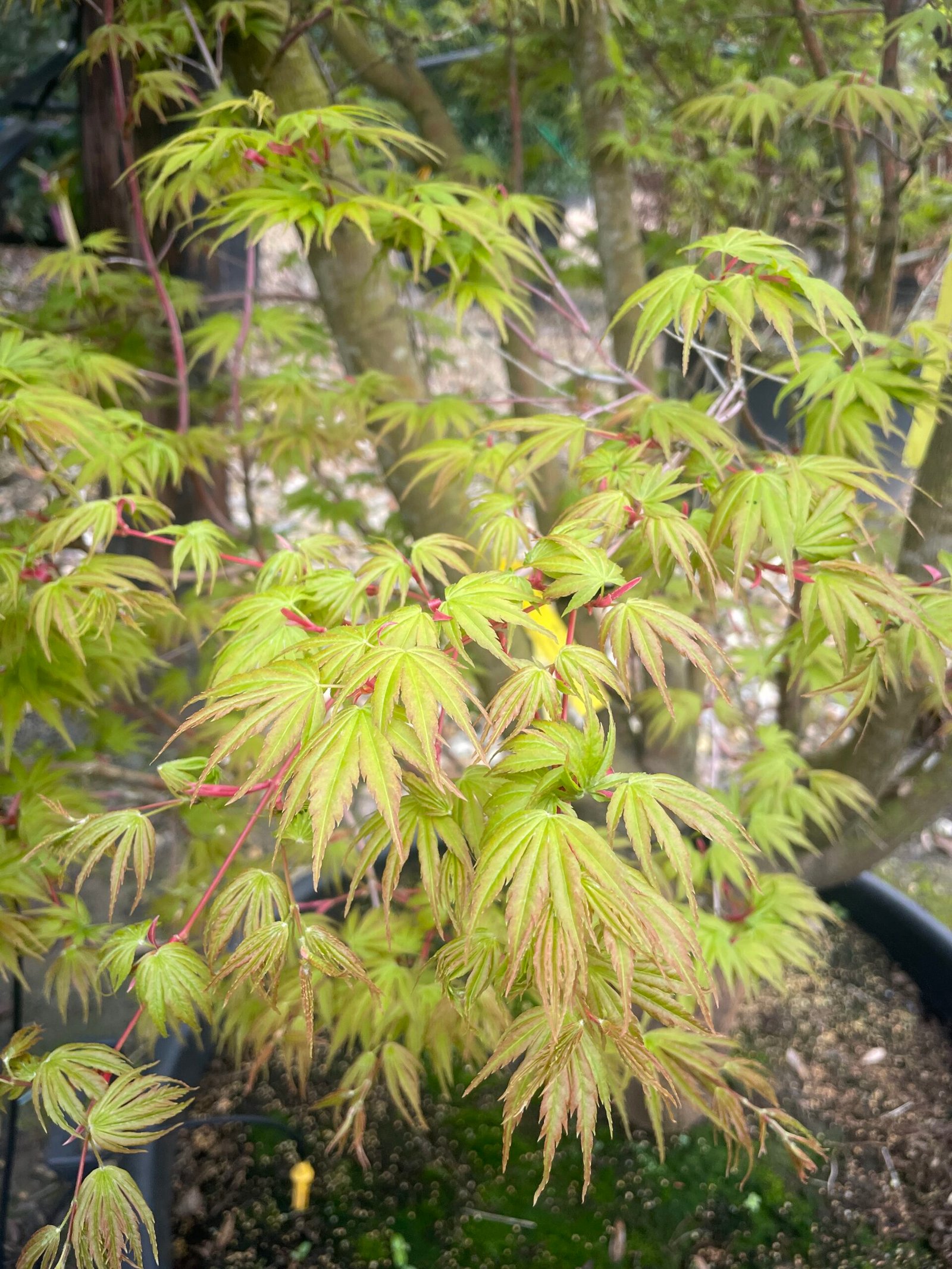
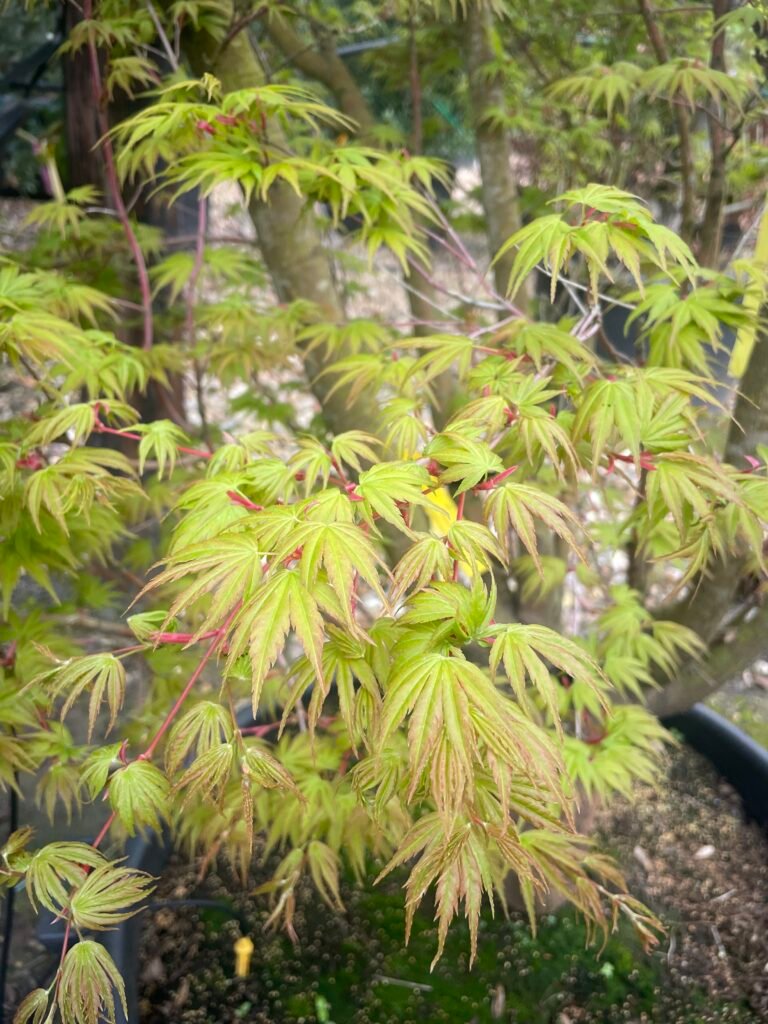
Few plants capture seasonal beauty quite like a maple tree. From lush green spring growth to fiery red and orange autumn displays, maples can transform any space into a living masterpiece.
But here’s what most beginners don’t realize: maples are sensitive to improper care, especially when it comes to watering and sunlight.
The good news? Once you understand their needs, they become one of the most rewarding plants you can grow—whether in a garden or as a bonsai.
Step-by-Step Maple Care Guide
Light Requirements
Maples thrive in bright, indirect sunlight. They enjoy being in full sun during spring and summer.
- Outdoor: Morning sun + afternoon shade
- Indoor: Bright window with filtered light
Why this matters: Maple leaves are delicate and lose water quickly under harsh sunlight, leading to leaf scorch. placing the plants in full sun hardens the leaves and twigs, produce clear red in spring.
Watering
Consistent watering is essential.
- Water when top 2–3 cm of soil is dry
- Water deeply until drainage occurs
- Increase frequency in summer
Pro tip: Rainwater is ideal for maintaining slightly acidic soil conditions.
Soil Requirements
Use well-draining, nutrient-rich soil.
Ideal mix:
- Compost (nutrients)
- Loam (structure)
- Sand/perlite (drainage)
For bonsai:
- Akadama
- Pumice
- Lava rock
Temperature & Humidity
- Ideal range: 10°C to 25°C
- Moderate humidity preferred
- Protect from:
- Strong winds
- Extreme heat
- Frost
Fertilizing
Feed during the growing season:
- Spring: Balanced fertilizer, use high nitrogen fertilizer for maple bonsai
- Summer: Light feeding
- Autumn: Low nitrogen
- Winter: No feeding, low nitrogen fertilizer for maple bonsai
Pruning & Maintenance
- Structural pruning: Late winter
- Maintenance pruning: Growing season
Remove:
- Dead branches
- Crossing limbs
- Excess growth
Seasonal Care Guide
Spring
- New growth begins
- Start fertilizing
- Monitor pests
Summer
- Increase watering
- Provide shade
- Prevent leaf scorch
Autumn
- Enjoy color changes
- Reduce feeding
- Prepare for dormancy
Winter
- Protect roots from freezing
- Minimal watering
- No fertilizing
Common Mistakes to Avoid
- Overwatering → root rot
- Too much direct sun → leaf scorch
- Poor drainage → suffocated roots
- Over-fertilizing → weak growth
- Ignoring seasons → plant stress
Troubleshooting Maple Problems
Yellow Leaves
- Cause: Overwatering or nutrient deficiency
- Fix: Adjust watering and feed properly
Brown Edges (Leaf Scorch)
- Cause: Excess sun or low humidity
- Fix: Move to partial shade
Slow Growth
- Cause: Poor soil or lack of nutrients
- Fix: Improve soil and fertilizing routine
Pests
- Aphids and spider mites
- Wash off the pest with a jet of water
- Use neem oil, insecticidal soap, systemic pesticides
Root Rot
- Cause: Waterlogged soil
- Fix: Repot in well-draining mix
Pro Horticulturist Secrets
1. Stress for Better Color
Slightly reduce watering in early autumn to intensify leaf रंग.
2. Root Pruning Boosts Health
Encourages stronger feeder roots and better nutrient uptake.
3. Create a Microclimate
Plant near walls or sheltered areas for stability.
4. Mulch is Essential
- Retains moisture
- Regulates temperature
- Improves soil biology
FAQs
Can maple trees grow indoors?
Yes, but they prefer outdoor conditions. Indoors, they need bright light and seasonal dormancy.
Why are my maple leaves turning brown?
Usually due to leaf scorch from too much sun or inconsistent watering.
How often should I water a maple tree?
When the topsoil feels dry—frequency depends on climate and season.
Do maples need pruning every year?
Yes, regular pruning keeps them healthy and well-shaped.
What is the best soil for maples?
Well-draining, slightly acidic soil rich in organic matter.
Grow Maple Trees Like a Pro
Maple trees are not just plants—they’re living works of art. With proper care, they reward you with breathtaking seasonal beauty year after year.
Focus on consistent watering, proper light, and seasonal adjustments—and you’ll have a thriving maple that becomes the centerpiece of your garden.
Got a maple tree?
Drop your biggest challenge in the comments—I’ll help you fix it.
Don’t forget to bookmark this guide for seasonal care tips!
